Category: Success Stories

The Success Stories subcategory under SaaS highlights inspiring tales of leading SaaS entrepreneurs. Discover the unique growth strategies and business models that have propelled various individuals to success. Gofundproject.com provides in-depth analyses of their journeys, offering valuable insights and lessons for aspiring SaaS professionals.

  • How Did Loom Succeed? A Deep Dive into Its Growth, Strategy, and Technology

    How Did Loom Succeed? A Deep Dive into Its Growth, Strategy, and Technology

    Loom has become a game-changing tool in the world of video communication, offering users the ability to record and share videos instantly. Particularly beneficial in the era of remote work, it allows individuals to combine screen and webcam recordings, making it a powerful tool for teams and individuals alike. But how exactly did Loom achieve such success? This article takes a closer look at Loom’s growth strategy, the team behind it, and the technology that powers the platform.

    The Power of Product-Led Growth (PLG)

    Loom adopted a Product-Led Growth (PLG) strategy, meaning the product itself was the key driver of growth. By offering a freemium model, Loom allowed users to try out the platform for free, which helped drive organic growth. Satisfied users naturally shared the tool with colleagues and other teams, accelerating its adoption. As users became more dependent on the platform, many upgraded to the premium version, which unlocked more advanced features. This freemium approach created viral growth, reducing the need for heavy marketing spend.

    Who Are the Founders of Loom?

    Loom was founded in 2016 by Joe Thomas, Vinay Hiremath, and Shahed Khan. Each of these founders brought unique expertise to the table:

    • Joe Thomas: As Loom’s CEO, Joe is responsible for the overall growth strategy and ensuring customer satisfaction remains a priority.
    • Vinay Hiremath: As the CTO, Vinay built the technological foundation that powers Loom, ensuring it remains fast, secure, and scalable.
    • Shahed Khan: Shahed focused on growth and marketing, ensuring the viral spread of Loom through strategic campaigns and initiatives.

    Together, these founders created a company that would redefine video communication by focusing on ease of use, accessibility, and user satisfaction.

    Loom’s CEO shares the journey from near failure to a $1.5 billion valuation, highlighting key lessons learned in product development and market strategies.

    Highlights from the video.

    • 🚀 From Struggle to Success: Loom navigated a challenging start, nearly running out of funds.
    • 📈 Emphasizing Market Growth: Identifying exponential market growth is crucial for startups.
    • 🛠️ Building a Viral Product: Creating a product that users love enough to share is essential for scaling.
    • 📊 Understanding Total Addressable Market: Clearly defining market potential aids in effective investor pitches.
    • ⚙️ Adopting a Growth Strategy: A focused distribution strategy can drive sustainable growth.
    • 👫 Team Mindset Matters: A strong, aligned team culture is vital for overcoming challenges.
    • 🧠 Embracing Innovation: Continuous adaptation and innovation are necessary for long-term success.

    Flexibility and the Foundations of Success

    One of the core elements of Loom’s success is its flexibility in communication. Particularly in a remote work environment, Loom offered a perfect solution by allowing users to record video messages instead of attending meetings or writing lengthy emails.

    • Time-Saving: Loom helps teams save time by allowing users to convey information more quickly through video than through written communication.
    • Personalized Communication: Video allows for a more personal touch, creating stronger connections between team members and clients.
    • Instant Sharing: Once recorded, videos can be shared instantly, accelerating decision-making and feedback loops.

    What Was Loom’s Go-to-Market Strategy?

    Loom’s Go-to-Market (GTM) strategy revolved around offering an easy-to-use product that addressed a clear pain point: ineffective and time-consuming written communication. Loom capitalized on the rise of remote work and video communication trends by offering its core features for free, creating low friction for new users to adopt the tool.

    Additionally, Loom positioned itself as a must-have tool for teams in tech, design, education, and corporate environments. It integrated seamlessly into existing workflows by partnering with major platforms like Google Drive, Slack, and Trello, making it even easier for businesses to adopt.

    Digital Marketing Strategy and Metrics

    Loom’s digital marketing strategy was centered around user-generated content, social media, and educational resources:

    • Social Media: Platforms like LinkedIn, Twitter, and Facebook were key channels where users naturally shared their Loom videos, sparking curiosity and driving viral growth.
    • Content Marketing: Loom invested in creating educational content such as tutorials, guides, and blog posts to help users get the most out of the platform. These resources helped build trust and positioned Loom as an industry leader in video communication.
    • Metrics and KPIs: Loom closely monitored user engagement metrics, including video watch times, shares, and feedback, to improve the platform continuously. These insights helped refine the user experience and optimize retention strategies.

    The Technology Behind Loom

    Loom’s technology stack is built on WebRTC and HTML5, allowing for seamless browser-based video recording and sharing without the need for additional software downloads.

    • Cloud-Based: All videos are stored in the cloud, allowing users to access and share them across multiple devices.
    • Real-Time Processing: Loom’s infrastructure processes videos in real time, making it possible to record, process, and share videos almost instantly.
    • Seamless Integrations: Loom integrates with popular productivity tools like Slack, Trello, and Google Drive, making it easy to share videos within existing team workflows.

    This architecture ensures that Loom remains fast, secure, and scalable, regardless of the number of users on the platform.

    Other Key Success Factors

    Loom’s success is also due to its strong focus on community and continuous product iteration. The platform actively gathers feedback from its users and incorporates it into future updates.

    • User Feedback: Loom regularly collects feedback from its users to improve its product offerings, ensuring that the platform evolves with the needs of its user base.
    • Educational Support: By offering training resources and customer support, Loom ensures that its users can quickly master the platform, which helps increase adoption rates.

    Loom has successfully positioned itself as a leading tool for video communication, offering users a faster, more personal way to share information. Through a combination of Product-Led Growth, strong digital marketing, and a powerful, flexible technology stack, Loom has achieved remarkable success. As video communication continues to rise in importance, Loom is well-positioned to remain a leader in this space for years to come.

  • The SaaS and Digital Marketing Success Story of Pieter Levels

    The SaaS and Digital Marketing Success Story of Pieter Levels

    Pieter Levels’ “@levelsio” success story represents a new era in digital entrepreneurship. Known for his minimalist and efficient approaches, Levels has achieved significant success with products designed for digital nomads and remote workers. In this article, we will delve into the strategic elements and marketing tactics that have underpinned Levels’ success, as well as the valuable lessons that can be drawn from his journey.

    Who is Pieter Levels and What Are His Achievements?

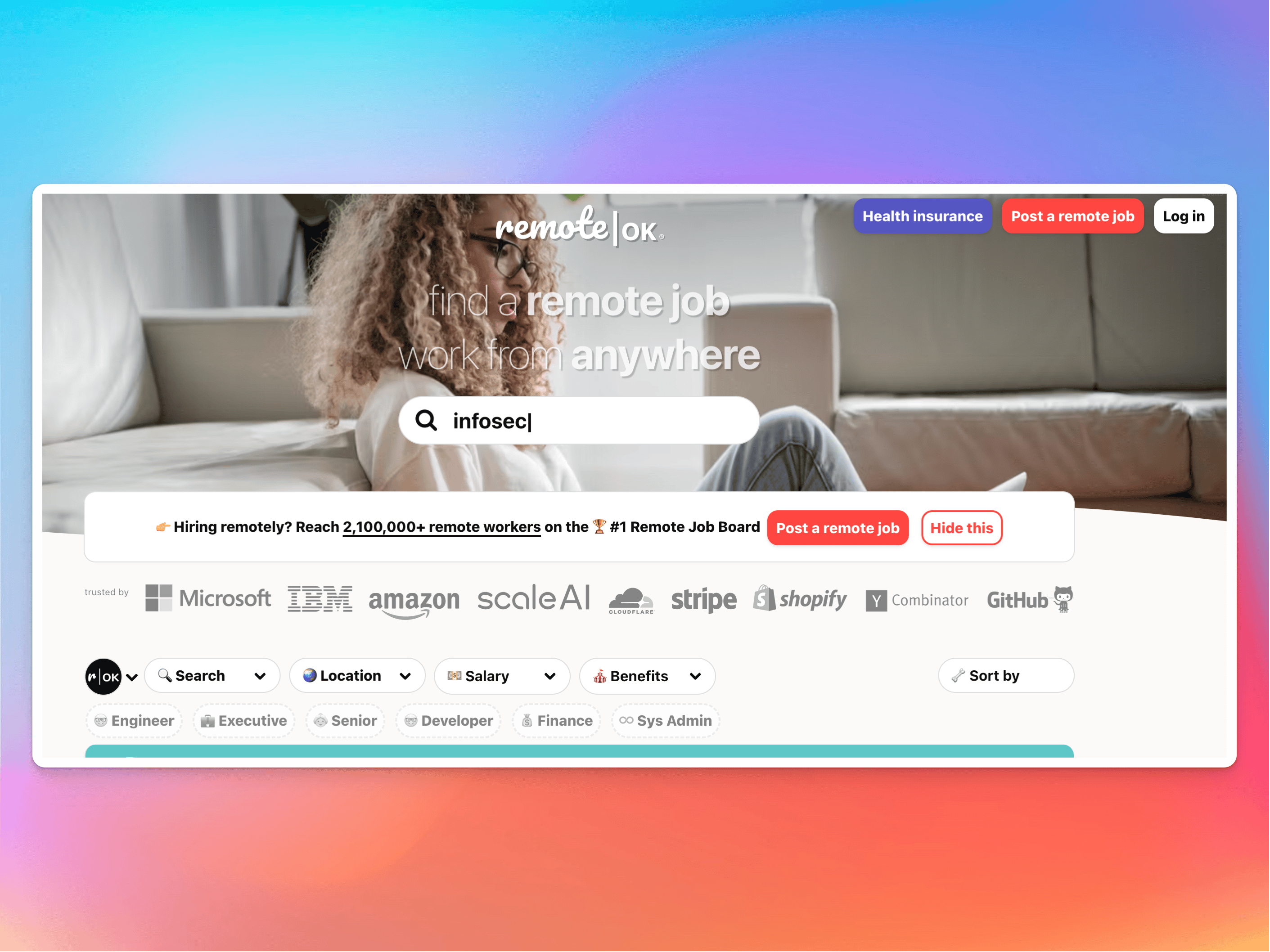
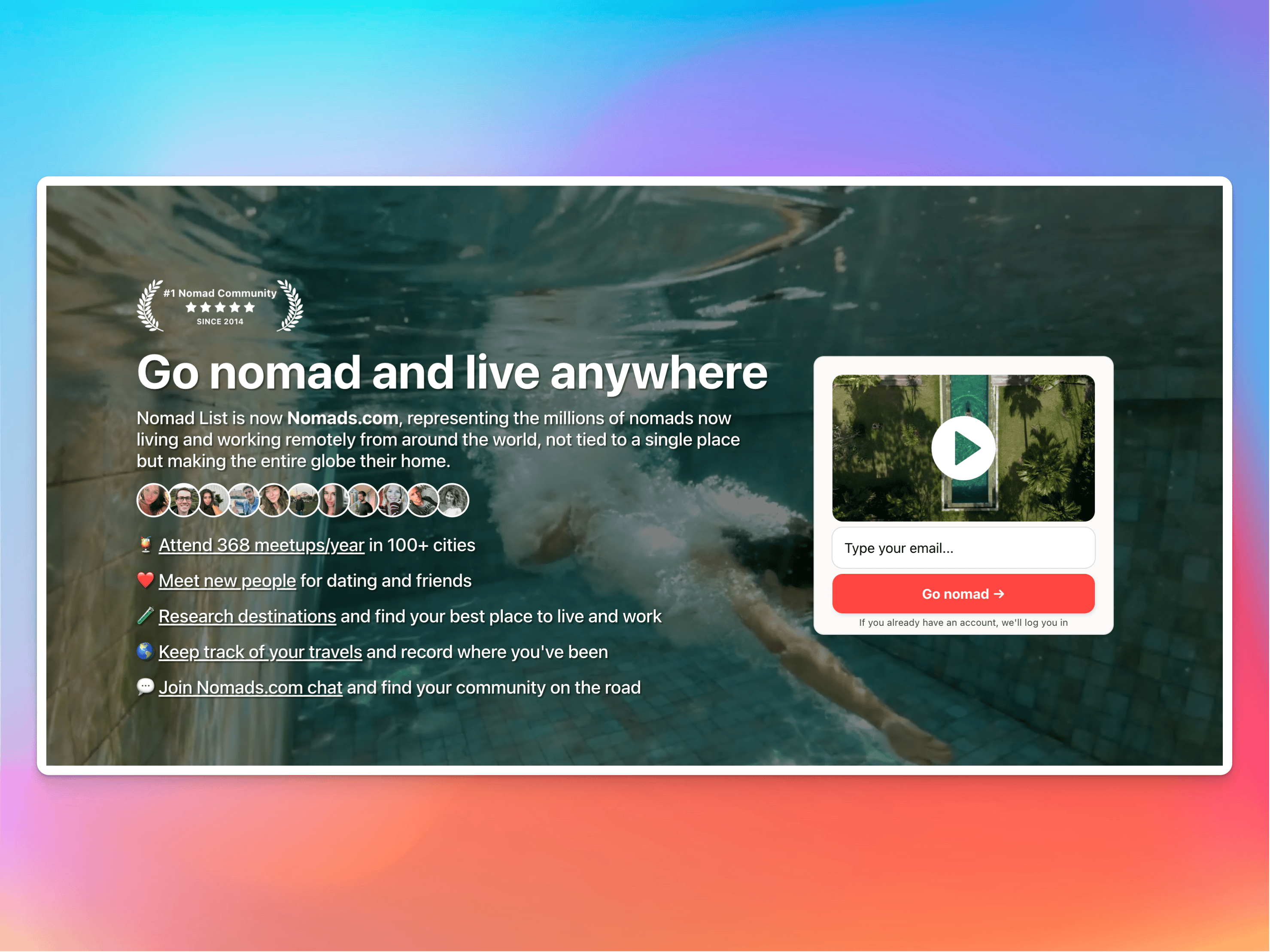
    Pieter Levels is an entrepreneur who creates products to facilitate the lives of digital nomads. His most successful projects include Nomad List and Remote OK. Nomad List is a platform that offers up-to-date information on the best living conditions for digital nomads in various cities around the world. Remote OK, on the other hand, is a job listing site offering remote work opportunities.

    The Successes of Nomad List and Remote OK

    • Nomad List: Serving as a guide for digital nomads, this platform provides current information on living conditions in various cities. Pieter Levels has earned millions of dollars through this project, and the platform currently serves hundreds of thousands of users each month.
    Nomad List
    • Remote OK: This platform lists job opportunities for remote work, serving thousands of companies and millions of users. By bringing together job seekers and employers every day, Remote OK generates significant revenue.
    Remote Ok
    • https://photoai.com/
    • https://nomads.com/
    • http://InteriorAI.com
    • https://applicantai.com/
    • http://HotelList.com

    Key Factors Driving Success

    1. Consistent Revenue Streams

    Pieter Levels has established a consistent revenue stream of $250,000 per month by skillfully using essential technologies like PHP and jQuery. These projects have secured a stable user base and regularly generate revenue. The key element in this success is Levels’ mastery of fundamental technologies.

    2. Annual Revenue and Scalability

    Levels’ projects generate approximately $3 million annually. The success of projects like Nomad List and Remote OK constitutes a major portion of this revenue. The scalability of these projects has enabled them to generate substantial revenue. When developing his projects, Levels prioritized scalability, allowing him to manage them as a solo entrepreneur.

    3. Automation and Self-Service

    Automation plays a central role in Levels’ business model. By minimizing manual workload, he has managed to run and expand his businesses single-handedly. For example, automating customer service processes has saved both time and money. This automation ensures that Levels’ projects operate efficiently and at a low cost.

    4. Rapid Execution

    Pieter Levels is known for swiftly bringing his ideas to life. Launching the first version of Nomad List within a month exemplifies his ability to quickly execute and validate business ideas. This ability allows him to test and refine his projects rapidly, leading to successful products.

    5. Simple Tech Stack and AI Integration

    Levels develops his projects using a simple and fundamental tech stack. PHP and jQuery, these straightforward technologies, facilitate fast development and deployment processes. Additionally, by integrating AI (Artificial Intelligence) into projects like Photo AI, Pieter has produced innovative products that add significant value and maintain technological advancement.

    Investment Strategies

    1. Bootstrapping: Growing Without External Funding

    Pieter Levels prefers self-funding his projects over obtaining external financing. This strategy grants him full control and independence over his projects. While bootstrapping carries considerable risks, Levels’ disciplined and determined approach has led to success. By bootstrapping, he has increased the profitability of his projects and maintained control.

    2. Focus on Revenue

    Levels focuses on generating revenue from his projects rather than seeking investment. During the development stages of each product, he aims to create a sustainable revenue stream. This strategy ensures that his projects are profitable from the outset and stay viable in the long term.

    Marketing Strategies

    1. Niche Targeting

    Pieter Levels targets specific niche markets, such as digital nomads and remote workers. Focusing on these groups allows him to develop products tailored to their needs, thereby increasing customer loyalty. Niche targeting enables Levels to effectively market his products to the right audience.

    Example:

    • Nomad List: As a platform providing assessments of living conditions in various cities for digital nomads, Nomad List offers specialized content for this niche market.
    • Remote OK: As a job listing site offering remote work opportunities, Remote OK provides job options tailored to professionals who prefer remote work.

    2. Content Marketing and SEO

    Content marketing is a significant growth driver for Levels’ projects. His content marketing strategy places heavy emphasis on SEO, producing content around specific keywords to enhance organic traffic. Levels focuses particularly on long-tail keywords, helping his projects rank higher in search engine results.

    SEO Techniques:

    • Keyword Research: Identifying high search volume keywords relevant to the target audience and creating content around them.
    • Blog Content: Regular blog posts and guides to keep content fresh and updated.
    • Backlink Strategy: Increasing SEO value through backlinks from other websites.

    3. Effective Use of Social Media

    Pieter Levels actively uses social media platforms such as Twitter to reach a broad audience. With over 422K followers, he engages directly with his audience and promotes his projects. Active social media use ensures that product launches and updates reach a wide audience swiftly.

    4. Viral Growth and Product Hunt Strategy

    Levels adopts viral growth strategies and leverages platforms like Product Hunt to promote his products. Product Hunt is an effective tool for introducing new projects and reaching a broad audience. Through this platform, he raises awareness among technology enthusiasts and early adopters.

    Example:

    • Product Hunt Launches: Actively participating in Product Hunt for every new product launch to reach a broad audience.
    • Viral Features: Allowing users to create and share their own content on his platforms, promoting organic growth.

    5. “Build in Public” Philosophy

    One of Pieter Levels’ most renowned strategies is his “Build in Public” philosophy. This strategy involves sharing the development process step-by-step publicly, allowing users to participate in the journey.

    Key Points:

    • Content Production: Keeping the target audience informed with blog posts, social media updates, and forum shares during product development.
    • Community Development: Continuously receiving feedback and incorporating users into the development process, which fosters a sense of ownership among users.
    • Creating FOMO: Generating early interest and a sense of “fear of missing out” (FOMO) among users, building a loyal user base before the product is even launched.

    6. No-Code and Rapid Prototyping

    Pieter Levels uses no-code tools and rapid prototyping techniques to quickly develop testable products. This strategy saves time and cost, allowing for rapid market entry.

    Techniques:

    • MVP (Minimum Viable Product) Approach: Initially developing a minimally functional product, launching it to the market, and continuously improving based on user feedback.
    • Low-Cost Tools: Utilizing no-code platforms and SaaS services to develop and launch projects without large teams.

    7. Community-Driven Growth

    Pieter Levels adopts a strategy of building and leveraging communities to grow his projects. In projects like Nomad List, the community itself is central to the product, continuously providing fresh content.

    Techniques:

    • User Participation: Involving users in the product development process and improving the product based on their feedback.
    • Influencer and Forum Strategy: Actively engaging in platforms like Reddit and Twitter to directly interact with the community.
    • Freemium Community Expansion: Offering free access services to capture a large user base while generating revenue through premium memberships.

    8. Time Management and Efficiency Techniques

    Pieter Levels effectively executes major projects with minimal resources and without large teams. His success is partly due to his proficiency in time management and efficiency.

    Techniques:

    • Automation: Prioritizing automation to avoid manual tasks and save both time and money, especially in customer service, data analysis, and SEO processes.
    • Eliminating Redundant Tasks: Reusing successful systems and processes from previous projects to save time when starting new initiatives.

    An Original and Inspiring Model

    Pieter Levels’ digital marketing strategy serves as an exemplary model in the modern entrepreneurial world. By challenging conventional methods with a transparent, minimalist, and community-driven approach, Levels has achieved remarkable success. His philosophy demonstrates that effective business models can be built and sustained through organic growth without substantial budgets.

    Key Takeaways and Tips

    • Identifying a Niche: Focusing on specific audiences and developing products tailored to their needs enhances customer loyalty and allows for more effective marketing strategies.
    • Automation and Efficiency: Emphasizing automation and efficiency in processes can lead to significant time and cost savings.
    • Community-Driven Strategies: Involving users in the development process and fulfilling their needs fosters a loyal customer base.

    Pieter Levels’ success story is an inspirational example for entrepreneurs. By adopting his strategies, you too can develop successful projects and achieve significant success in the digital marketing world.