
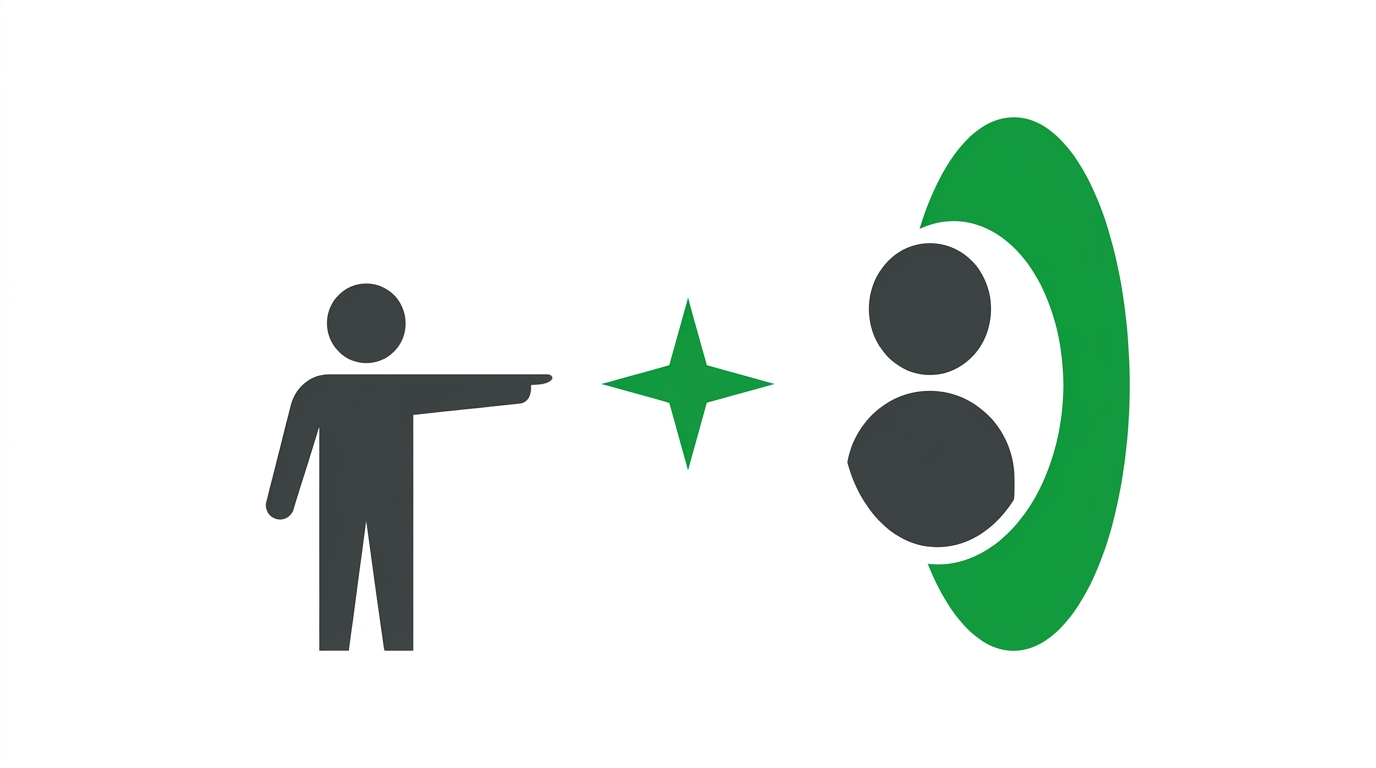

Viral Engineering is the architectural integration of user acquisition directly into the core utility of a SaaS product. Rather than relying on external marketing, the product is built so that simply using it exposes it to non-users. Every action taken by User A acts as an implicit, high-conversion invitation to User B. It is the holy grail of Product-Led Growth (PLG), pushing the viral coefficient (K-factor) as close to 1.0 (or above) as possible.
The Dark Mechanism
The core mechanism is "forced collaboration" or "utility-driven exposure." It bypasses the traditional, often ignored "Invite a friend!" button by making the invitation a strict requirement for extracting value from the product.
If you send a document to be signed, a calendar link to be booked, or a video message to be watched, the recipient is forced to interact with the SaaS platform's interface. The product acts as a Trojan horse. The recipient experiences the value firsthand (the "aha" moment) before ever seeing a marketing page. The dark side? You are essentially using your paying customers as an unpaid outbound SDR team, leveraging their personal reputation to bypass the recipient's spam filters and skepticism.
3. SaaS Teardown: Calendly
Calendly is the textbook example of viral engineering. The product inherently requires two parties. User A signs up because they are tired of the "when are you free?" email dance. User A sends a Calendly link to User B.
User B clicks the link, experiences a frictionless booking process, and notices the subtle "Powered by Calendly" branding at the bottom. The utility is instantly obvious. Because User B also hates scheduling meetings, they sign up immediately after booking. Calendly’s growth loop was so tightly wound that it acquired millions of users with near-zero initial marketing spend. The core mechanism wasn't a referral program; it was the product itself.
Execution & Decision Matrix
| If This Happens… | -> Do This |
|---|---|
| Product is inherently single-player | Pivot features to allow external sharing. E.g., "Share this dashboard externally via public link." |
| Viral loop exists but conversion is low | Optimize the recipient landing page. Ensure the "Powered by" CTA is prominent but tasteful. |
| Users actively remove your branding | Put white-labeling behind the highest enterprise paywall. Force them to pay heavily for the privilege. |
| Recipients bounce without engaging | Reduce friction for the guest. Do not force account creation just to view or interact with the core payload. |
| High volume, but bad ICP fit | Tighten the use-case. Ensure the core loop specifically targets the pain points of your ideal buyer, not just casual users. |
5. The Backfire Risk
Viral engineering fails spectacularly when the forced interaction is annoying rather than helpful. If your platform blasts unwanted emails, forces unnecessary account creation on guests, or litters professional communications with obnoxious branding, users will abandon you to protect their own reputations. Over-aggressive viral loops (like scraping contacts without clear consent) destroy domain authority, land your IP in spam filters, and result in permanent brand damage.
Related Reading
- Once viral loops capture users, retain them using Network Effects.
- Amplify the loop's reach via Influencer Manipulation.
- Further reading: Andrew Chen on the Law of Shitty Clickthroughs and Viral Loops.
Sources & Further Reading
Frequently Asked Questions
What is viral engineering in SaaS?
Viral engineering means building invite and sharing loops into the product’s core workflow: collaboration invites, shared artifacts, public outputs. Growth becomes a side effect of usage rather than a marketing budget line.
What K-factor should SaaS aim for?
Above 1.0 for true virality, but even 0.3 to 0.5 transforms unit economics when paired with retention: each cohort seeds the next. Measure invites sent, accepted, and activated separately; most loops die at activation, not sending.
Why do most referral programs fail?
They bolt rewards onto products nobody naturally shares. Referrals amplify existing sharing motivation; they cannot create it. Fix the shareable moment first, then add the incentive.
Continue Reading: Growth Psychology & Behavioral Tactics
This article is part of our series on Cognitive Biases Exploitation: Turning Mental Shortcuts into Sales. Related reading: