
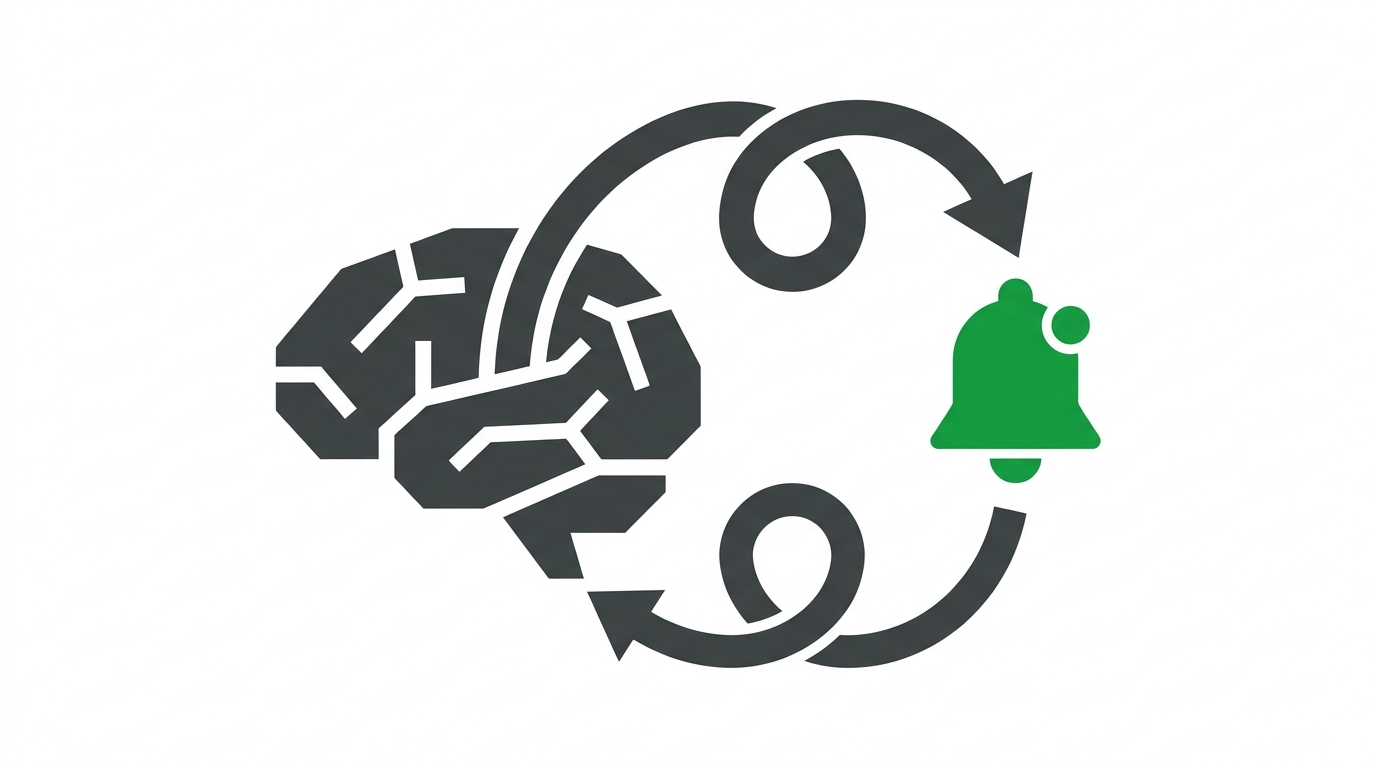

Emotional manipulation in SaaS is the calculated engineering of product experiences to evoke specific, high-arousal negative or positive emotions—primarily anxiety, guilt, fear of missing out (FOMO), or relief—to drive user actions. It bypasses rational utility assessment, forcing engagement through psychological discomfort or emotional reward.
The Dark Mechanism
The brain prioritizes emotional data (processed by the amygdala) over rational data (prefrontal cortex). SaaS designers exploit this by mapping user journeys to an emotional sine wave.
Loss aversion dictates that the psychological pain of losing something is twice as powerful as the pleasure of gaining it. By giving a user a status, a streak, or a limited-time dataset, and then threatening to take it away, the product manufactures synthetic anxiety. To relieve this anxiety, the user must perform the desired action (e.g., logging in, upgrading, inviting a teammate). The software creates the disease and sells the cure.
SaaS Teardown: Duolingo
While nominally a consumer ed-tech app, Duolingo's retention mechanisms are heavily studied by B2B SaaS. Duolingo doesn't just remind you to practice; it weaponizes guilt and loss aversion.
The "Streak" feature is pure emotional manipulation. When a user is about to lose a 100-day streak, the app sends notifications that simulate an emergency. The famous passive-aggressive owl mascot generates genuine guilt. They even monetize this emotion by selling "Streak Freezes"—literally charging users money to relieve the anxiety of losing an arbitrary digital number. B2B tools emulate this by warning users about "losing historical data" or "falling behind industry benchmarks" to force upgrades.
Execution & Decision Matrix
| Emotional Trigger | Product Application | Goal |
|---|---|---|
| FOMO (Anxiety) | "3 of your competitors just viewed this dataset. Upgrade to see who." | Drive immediate tier upgrades |
| Loss Aversion (Fear) | "Your trial expires in 24h. Your custom templates will be permanently deleted." | Spike trial-to-paid conversions |
| Relief (Catharsis) | Confetti animation and a "Zero Inbox" screen when all tasks are cleared | Build positive emotional association with task completion |
| Guilt | "Are you sure you want to cancel? Your team will lose access to all shared workspaces." | Reduce cancellation/churn velocity |
The Backfire Risk
Using negative emotions (anxiety, guilt, fear) is highly effective for short-term metrics but creates long-term brand toxicity. If a B2B SaaS product consistently makes a founder or PM feel stressed or manipulated, they will actively seek out a competitor that offers a "calmer" experience. Over-indexing on negative emotional triggers leads to aggressive reviews, negative word-of-mouth, and an adversarial relationship with your own customer base.
Related Reading
- See also: Cognitive Biases Exploitation for the mechanics of loss aversion.
- See also: Dopamine Farming for balancing anxiety with reward.
- Reference: Baumeister, R. F., et al. (2001). Bad is Stronger than Good. Review of General Psychology.
- Reference: Lerner, J. S., et al. (2015). Emotion and Decision Making. Annual Review of Psychology.
Sources & Further Reading
Frequently Asked Questions
What is emotional manipulation in product design?
It means deliberately triggering emotions, fear of loss, social anxiety, guilt, urgency, to steer behavior rather than inform choice. Countdown timers on fake scarcity and shame-worded cancel buttons are textbook cases.
Where is the line between persuasion and manipulation?
Persuasion presents true information in compelling form; manipulation engineers decisions the user would reverse with full information and a cool head. The regret test decides: would they thank you tomorrow?
Do emotional triggers ever belong in SaaS?
Yes when they serve the user’s stated goal: progress celebration, loss-framed trial reminders for tools they already value, honest social proof. Trigger emotions to help users act on their own intentions, not yours.
Continue Reading: Growth Psychology & Behavioral Tactics
This article is part of our series on Cognitive Biases Exploitation: Turning Mental Shortcuts into Sales. Related reading: