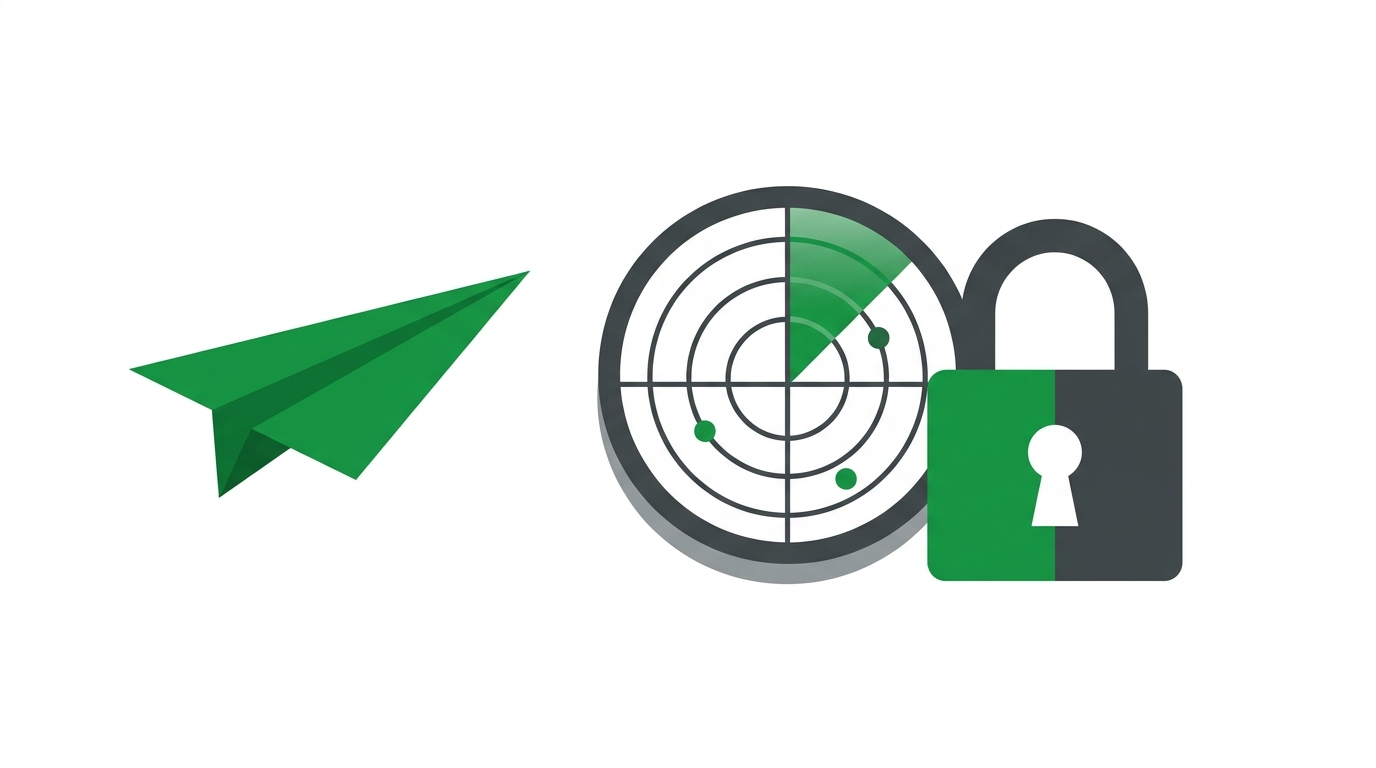

The Privacy Paradox refers to the behavioral discrepancy where individuals express strong concerns about data privacy, yet readily surrender personal information for minimal rewards, convenience, or access to services. In the B2B SaaS context, this manifests when enterprise buyers demand strict compliance (SOC2, GDPR) during procurement but end users within the same organization freely bypass security protocols or share sensitive data to reduce friction in their daily workflows.
The Dark Mechanism
The mechanism operates on the cognitive bias of immediate gratification versus delayed, abstract risk. SaaS vendors exploit this by establishing "tollgates of convenience." While the platform's overarching marketing emphasizes zero-trust architecture and data sovereignty, the UX is engineered to require data sharing as the path of least resistance.
By front-loading the value (e.g., instant access to an AI analytics feature) and burying the cost (extensive data harvesting rights in the Terms of Service), platforms bypass the logical centers of the brain. The paradox is weaponized when platforms make privacy the default, but explicitly degrade the user experience unless telemetry, contact syncing, or data aggregation is enabled.
SaaS Teardown
Consider the modern communication and collaboration stack. Platforms often pass rigorous IT security audits by offering highly configurable privacy controls. However, once deployed, the system prompts individual employees to integrate their personal calendars, sync external contacts, or grant AI models access to read their draft documents to "improve suggestions."
The enterprise IT department believes they have purchased a walled garden. In reality, the SaaS platform has created thousands of individualized data funnels. The user, annoyed by a minor inconvenience or enticed by a smart-reply feature, clicks "Allow." The paradox is monetized: the company pays for the software, while the users unwittingly pay with organizational data to train the vendor's proprietary models.
Execution & Decision Matrix
| Scenario | Objective | User Action | Vendor Benefit | Privacy Compromise |
|---|---|---|---|---|
| AI Assistant Integration | Reduce typing time | Enables data parsing | Training data acquisition | Reads proprietary drafts |
| Calendar Sync | Seamless scheduling | Connects O365/Google | Relationship mapping | Exposes external networks |
| Freemium to Paid | Bypass IT procurement | Shadow IT adoption | Land-and-expand metric | Unvetted data storage |
| Telemetry Opt-in | "Better recommendations" | Leaves default ON | Product usage mapping | Behavioral profiling |
5. The Backfire Risk
Exploiting the privacy paradox is highly profitable until it triggers an enterprise audit. The backfire risk materializes when shadow data sharing leads to a compliance breach (e.g., GDPR, HIPAA). Once an IT department discovers that a "secure" vendor aggressively engineered user-level data extraction, the vendor faces immediate churn, breach of contract lawsuits, and permanent reputational damage. Furthermore, regulatory bodies are increasingly shifting liability from the negligent user to the platform employing deceptive data-extraction patterns.
Related Reading
- Dark UX Patterns in SaaS
- Data Governance and Shadow IT
- SOC2 Compliance and End-User Training
Sources & Further Reading
Frequently Asked Questions
What is the privacy paradox in SaaS?
The privacy paradox is users demanding privacy while trading data for minor conveniences: loyalty discounts, personalization, one-click anything. Stated preferences and revealed behavior diverge wildly.
How should SaaS design for the paradox?
Make the private path the easy path: sane defaults, one-tap opt-outs, plain-language choices at the moment of decision. Don’t lecture users; architect choices so laziness lands on privacy.
Does privacy-first positioning win deals?
Increasingly in regulated verticals and Europe, where procurement scores data minimization. Elsewhere it differentiates weakly alone, but compounds with security posture into enterprise trust.
Continue Reading: Platform Power & Lock-in
This article is part of our series on Platform Dominance: Moving From Tool to Indispensable Ecosystem. Related reading: